

Food, water, torches and batteries are all important. But if something unexpected happened tomorrow, could you get hold of the information you needed?
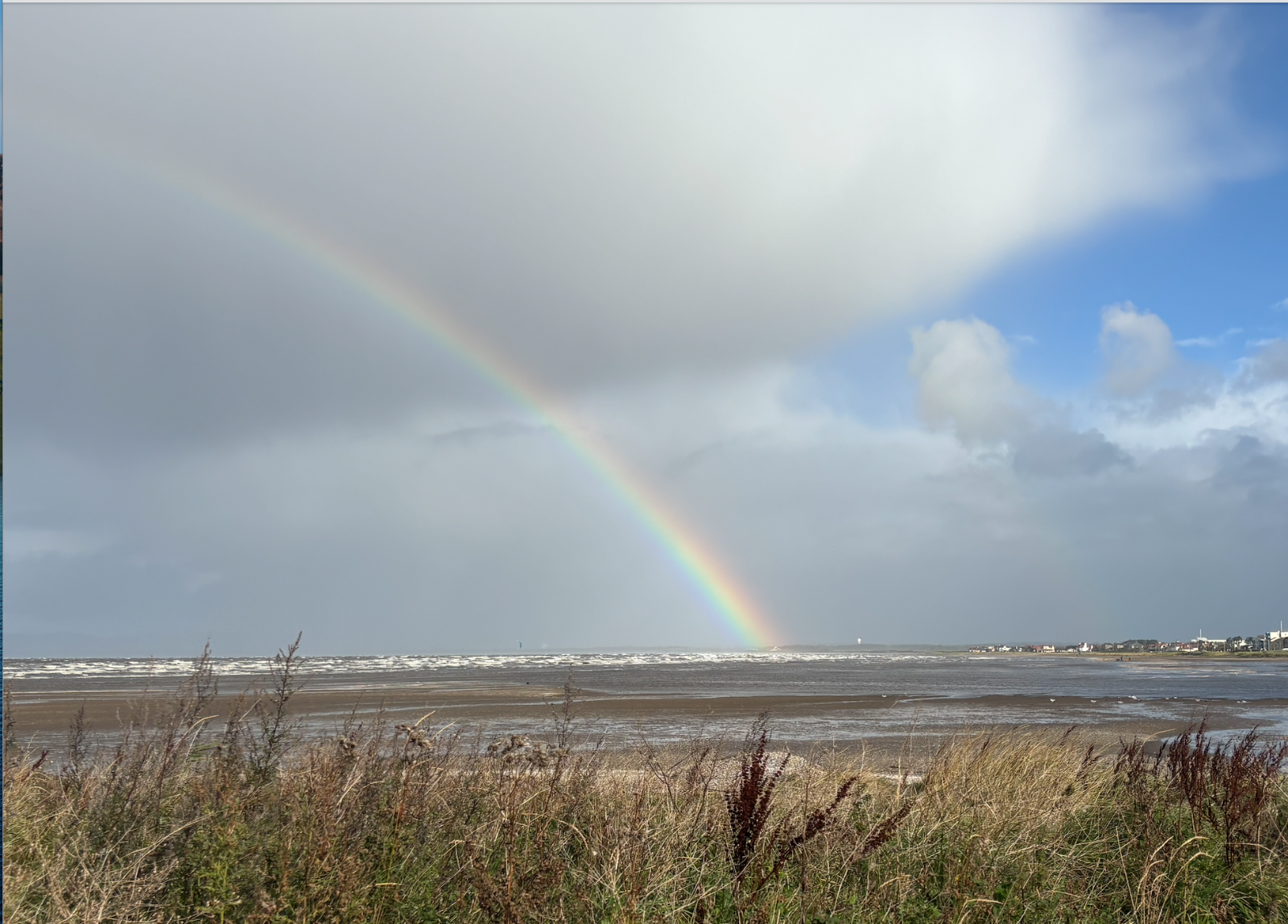
I'm originally from Ayrshire, on the west coast of Scotland, and I've found it incredibly upsetting watching the footage of the recent flooding and storm damage.
Seeing places I know so well, like Largs, Saltcoats and Irvine, battered by the weather is heartbreaking. These aren't just names on a news report to me. They're familiar towns and communities, and my thoughts are with everyone dealing with the aftermath.
At the same time, there's been a lot of discussion about emergency preparedness. What we should have at home, how long we should be able to manage without essential services, and whether we're ready if something unexpected happens.
It's a conversation worth having, provided we approach it sensibly rather than frightening ourselves about everything that might go wrong.
What does the government's new Be Ready Checklist recommend?
The government has recently published its Be Ready Checklist, encouraging households to think about how they would manage for three days if essential services were disrupted.
It covers the things you'd probably expect: drinking water, food that doesn't need cooking, essential medication, torches, batteries, warm clothing and basic hygiene supplies.
It also includes a few things that might not immediately spring to mind, such as a battery-powered or wind-up radio, a charged power bank and supplies for pets.
What I particularly like is the approach. The guidance doesn't suggest that everyone needs to rush out and spend a fortune. It encourages people to check what they already have, think about their household's particular needs and gradually pick up anything that's missing.
It also recommends checking supplies every six months, including expiry dates and whether your household's needs have changed.
All very sensible.
But there's another part of the checklist that deserves just as much attention.
Important documents and information.
The government recommends keeping copies of important documents, useful telephone numbers and information about regular medication, including doses.
And that's something I think we could all give a little more thought to.
Could you find your insurance policy if your home was flooded?
Imagine having to leave your home at short notice because of flooding.
You've got enough to think about without trying to remember which insurance company you're with, where you put the policy or what your policy number is.
Perhaps it's in a filing cabinet at home. Maybe it's buried in your emails. Or you know it's available through an online account, but can't remember the login details.
On an ordinary day, none of that might seem particularly difficult to sort out.
But when you're already dealing with something upsetting, having to search for important information is the last thing you need.
And it's not just insurance.
There might be medical information about someone in your household, details of essential medication, contact numbers for people you need to reach or documents relating to your home.
If you're responsible for someone else's care, knowing where that information is could be particularly important.
The question isn't simply whether you've kept the information.
It's whether you could get hold of it when you needed it.
And what if you couldn't get online?
We've become so used to accessing everything digitally that it's easy to forget how dependent we are on an internet connection.
Banking, insurance, household accounts, medical appointments, utility providers. So much of the information we rely on is now online.
Most of the time, that's incredibly convenient.
But severe weather can disrupt electricity supplies and communications. You might have a perfectly functioning phone and still be unable to access something because there's no internet connection.
That's why it's worth thinking about how you would get to your most important information if you couldn't get online.
For some people, that might mean keeping a small paper record of essential telephone numbers and medical details somewhere safe and accessible.
For others, it could mean having selected documents and information securely available offline on their phone.
And there's no reason you can't do both.
Why we included offline access in Doqit
One of the features we've built into Doqit is the ability to securely save selected documents and information offline to your device.
Once you've saved something for offline access, you can still get to it without an internet connection.
It's not a feature we talk about very often, but watching what's been happening in Scotland has reminded me just how useful it could be.
Of course, there are limitations. If your phone is lost, damaged or has no power, offline access on that device isn't going to help. And in a genuine emergency, your immediate safety comes before any paperwork.
But if you've got your phone and it's working, having important information already available could save you a lot of unnecessary searching and worry.
You don't need to make everything available offline, either.
Think about the things that might be difficult to manage without. Your home insurance policy, medical information, details of regular medication, emergency contacts or information relating to someone you care for.
A few minutes spent making sure you can access those details could be time well spent.
Prepared, not frightened
I don't believe we should spend our lives worrying about everything that might go wrong.
And I certainly don't think we should be frightened into buying things we don't need or making elaborate preparations for every possible emergency.
But there's a difference between worrying about something and taking a few sensible precautions.
We check the batteries in our smoke alarms. We keep basic medication at home. We make sure we know where the torch is.
Making sure we can access our important information belongs in much the same category.
The government's checklist is a useful place to start, and I like its reminder that you don't need to do everything at once.
You can read or download the Be Ready Checklist here.
Perhaps this week, alongside checking whether you've got batteries for the torch, you could spend a few minutes making sure you know where your important information is, and whether you could access it without the internet.
Hopefully, you'll never need any of it in an emergency.
But if you do, you'll be glad you thought about it beforehand.
And to everyone affected by the recent storms and flooding, particularly in the communities I know and love on Scotland's west coast, I'm thinking of you.
Stay safe.
About Doqit
Doqit is the system households rely on to make sure nothing gets missed.
Founded by Catherine Ann Reid and built from lived experience, Doqit brings important documents, information and deadlines together in one secure place, with reminders for the things that need attention and the option to save selected information offline to your device.
From insurance policies and passports to medical information and household paperwork, Doqit helps people keep track of the details that matter, so they're easier to find and available when needed.
Doqit. Nothing missed. Nothing lost.
Published 29th October 2026